

This weekend it’s Suttons that has free delivery on EVERYTHING. Laura just bought some nerine bulbs from them – a good investment for later in the year. Click here to have a browse
Hurry though, the offer closes on Monday at midnight. Ends 2.2.2026
Thompson & Morgan

Definitely worth getting a bit off your seed order. This offer lasts until the end of February. Click here to find it

Buy ready-to-go vegetable plug plants such as tomatoes, courgettes, squashes, peas and beans to save time and space. Vegetable plants are a quick and easy way to get your kitchen

Actually some seriously enviable plants on offer from T&M here. Have a browse. It definitely gets you in the gardening mood! Offer ends end of Feb, you’ll find them here.
Genus Gardenwear – You’ll all know people who wear Genus Gardenwear. They tend to look smug. We all own Genus trousers and score them 10/10. Use this link and this code 3BAGS15 to get 15% off ANYTHING in their shop
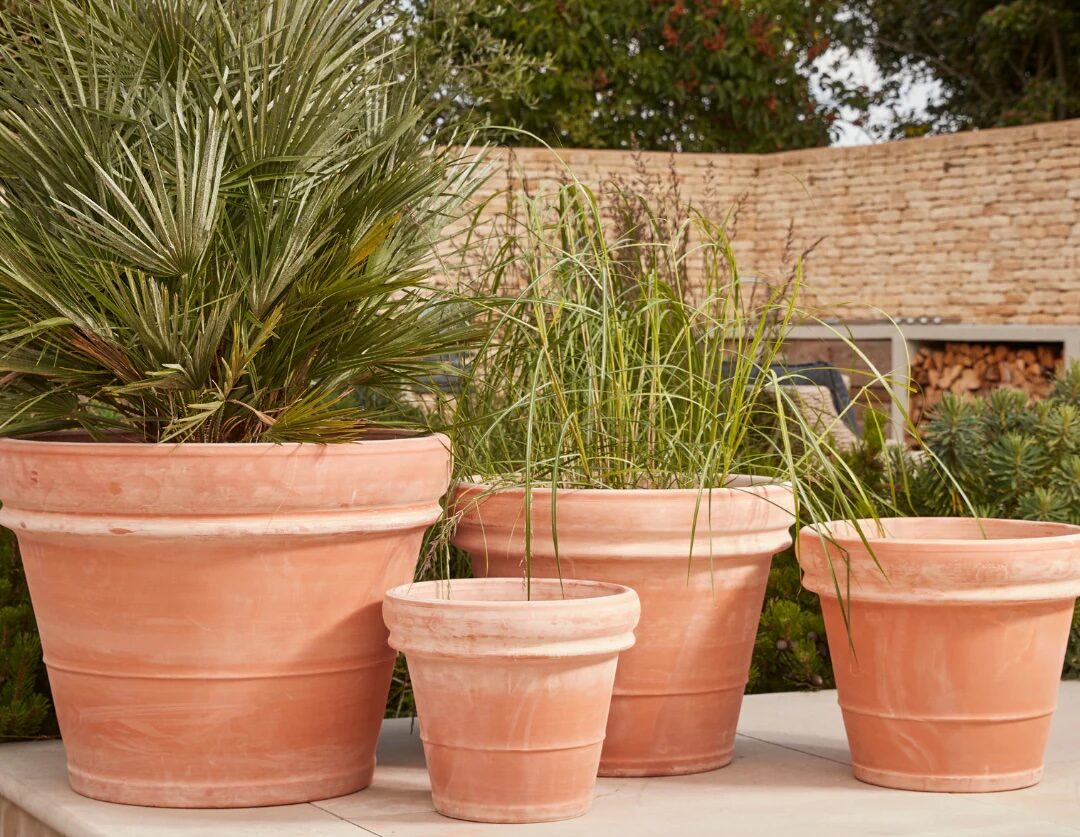
Gardenesque – If you’re looking for some really gorgeous
Mini chainsaws
These are a game changer for every gardener, saving a huge amount of time spent with a hand-held pruning saw. Put yourself back in the driving seat, shaping, pruning and even felling small trees.
Voted the best mini chainsaw in a recent Telegraph article, Laura was able to corroborate, having recently bought one.
She reckons you could clear a small wood with this, it's a serious bit of kit as you would expect from Stihl.
Highly recommended.

A brilliantly priced mini chainsaw, this is Caroline's go-to for removing branches and giving the rosa rugosa its annual chop.
You'll honestly wonder how you ever kept your garden under control without one

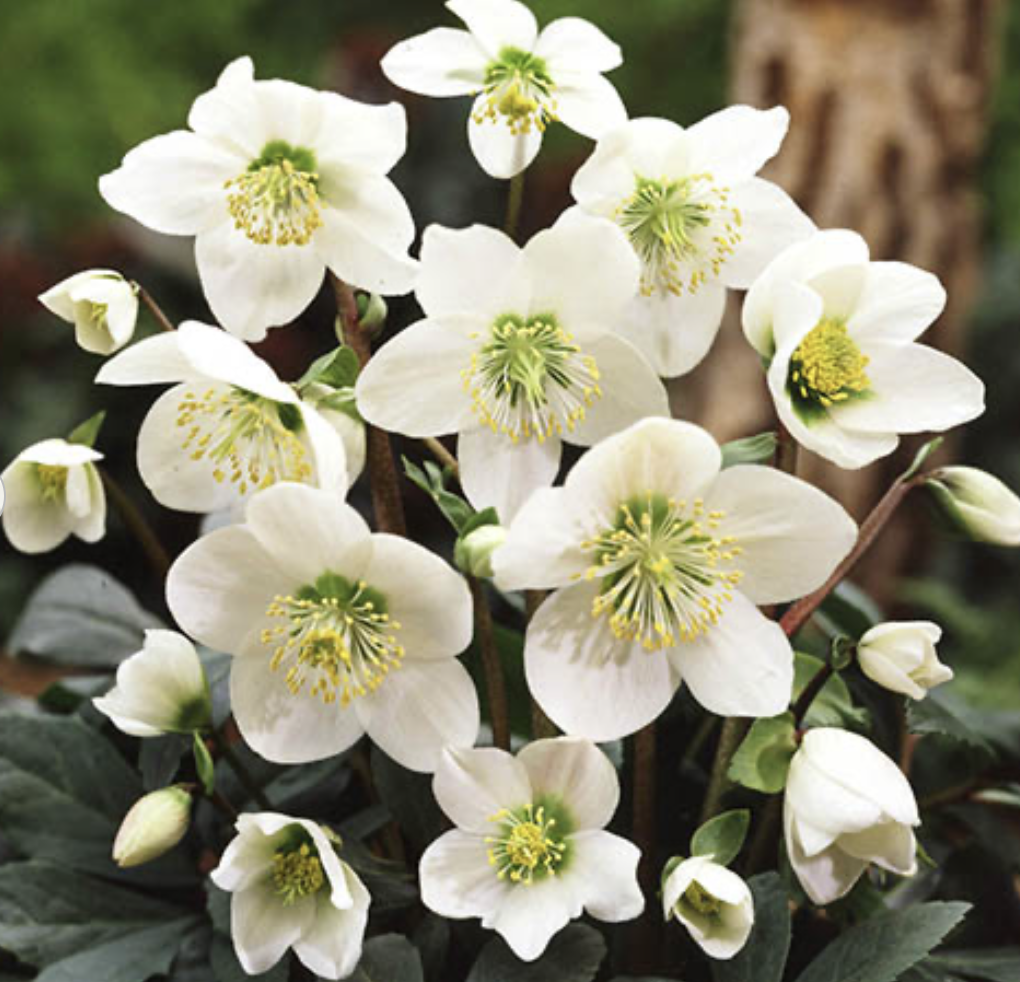
Christmas Rose – or Helleborus niger is a real favourite for pots etc over the winter months, so we decided to do a bit of a price comparison among some of the big suppliers.
When you take into account the size of the plant and the postage rates they are much and such, so choose the one you think will supply the best plants.
Helleborus niger flowers from mid-winter to early spring. It thrives in partial shade and prefers moist but well-drained soil. The older leaves should be removed as new growth emerges.
Here you can buy one in a 9cm pot for £9.99 or three of them for £22.99 bringing the our plant price down to about £7.60. Delivery is £5.99
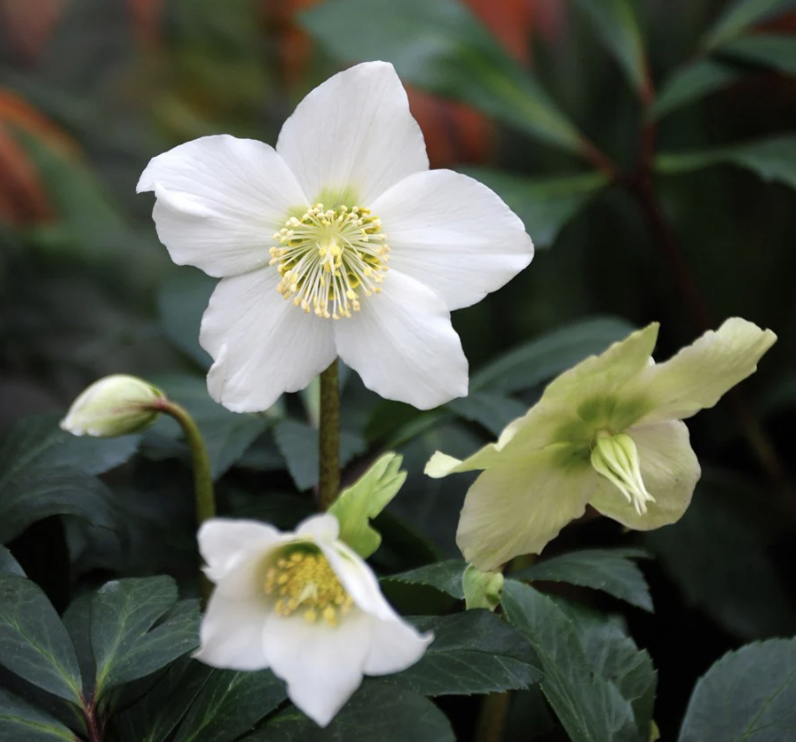
A single 9cm pot will cost you £9.99 and delivery another £6.99. They also do bare rooted options which look good value but delivery will be end of December for those.
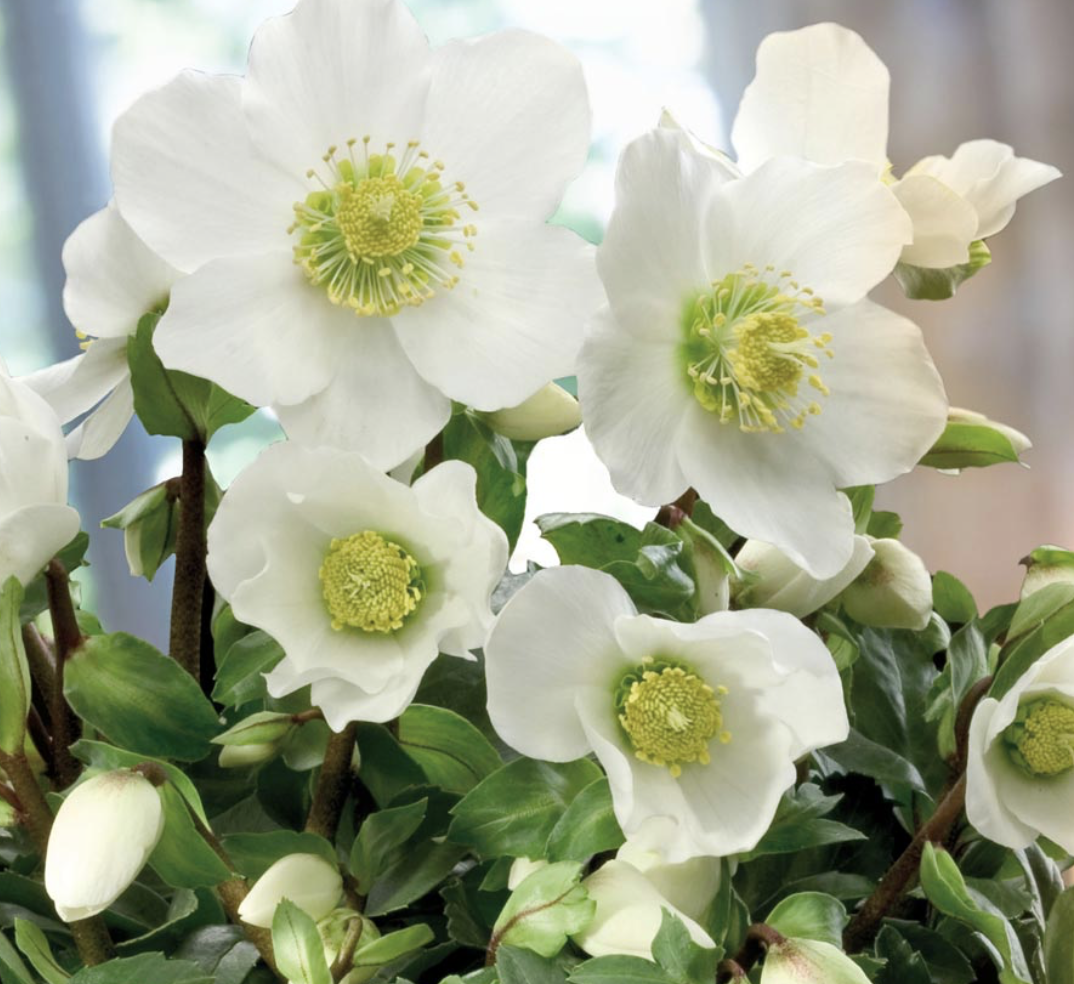
Here you can buy three 12cm pots (a bit bigger than the Crocus three-plant option), for the same price - £22.99 but postage is a pound dearer at £6.99
*Our recommendations are based on experience not on free samples. If you click on links we provide we may, though, get a small commission*
We’re tempted to buy…
Are you thinking about how to lift your horticultural spirits during the winter? Yes we are too, so we’re tempted by these.
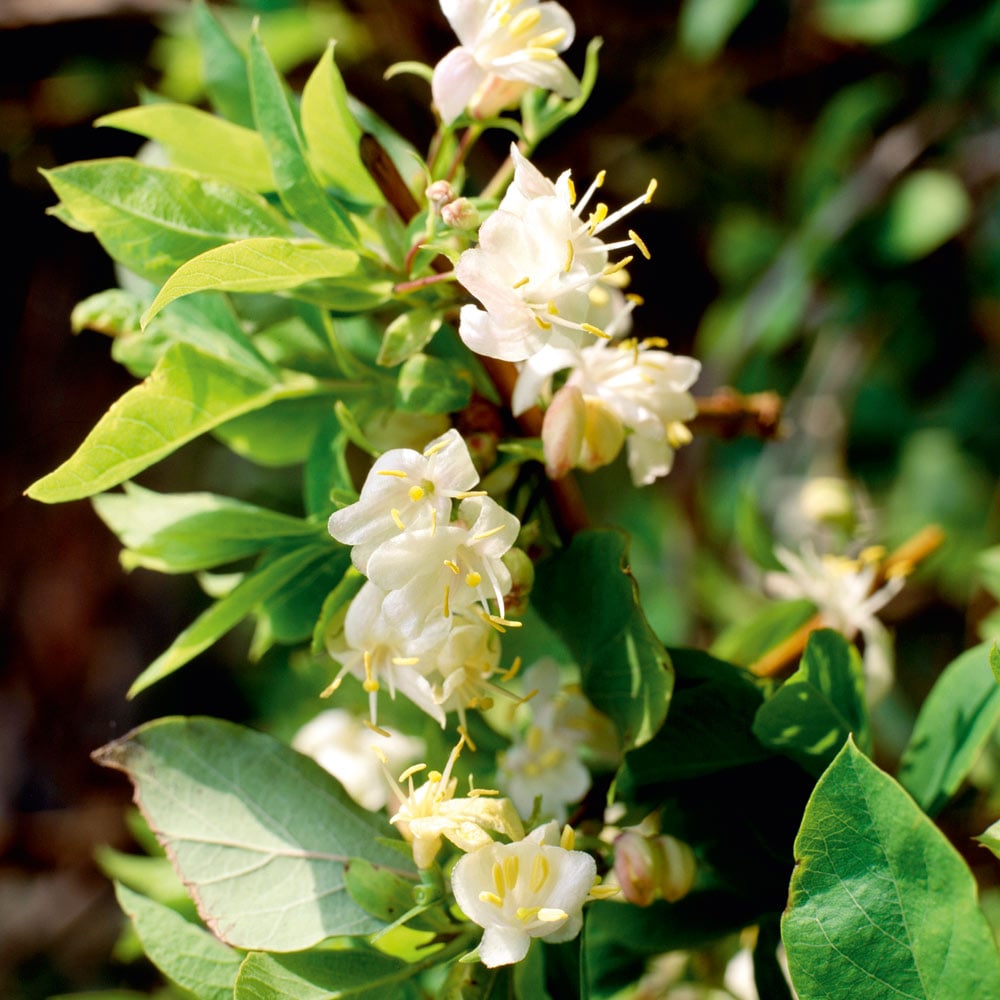
Lonicera Fragrantissima is a winter-flowering shrub that provides a wonderful scent when other plants have faded and died away. It flowers between December and March, often followed by pale red berries that provide a good source of food for wildlife and birds.
Foliage is rich green with purple tones, although the branches of this variety are quite sparse. Height 150-200cm; spread 250-300cm. Supplied in a 3 litre pot.
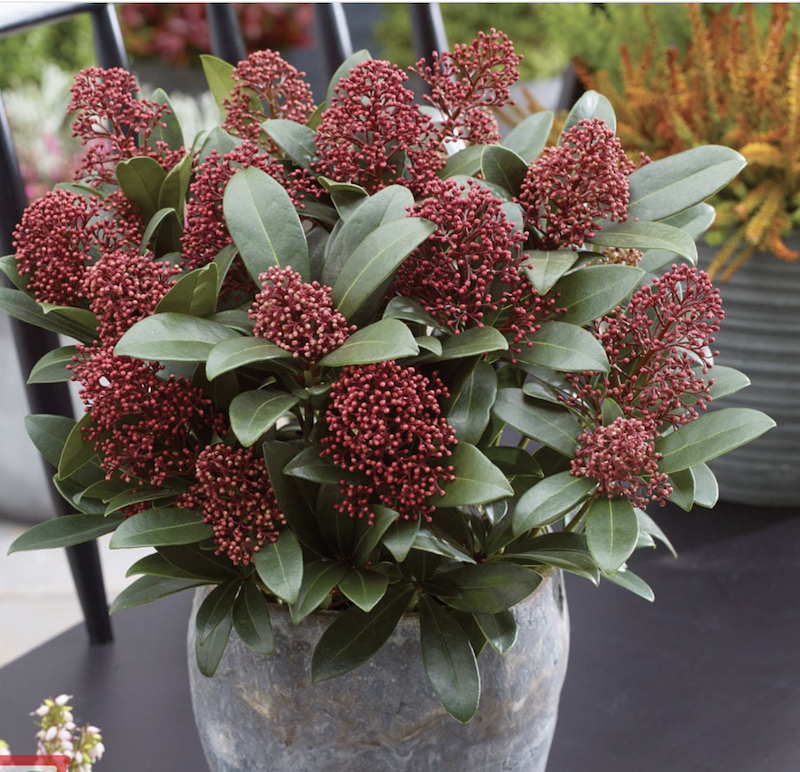
A wonderfully easy and rewarding evergreen shrub. Happy in the ground or in a shady pot by your door, it produces festively crimson flower buds as you run up to Christmas and its flowers then send out a truly gorgeous and powerful scent in the spring.
Evergreen and a real winner, particularly for beginner gardeners
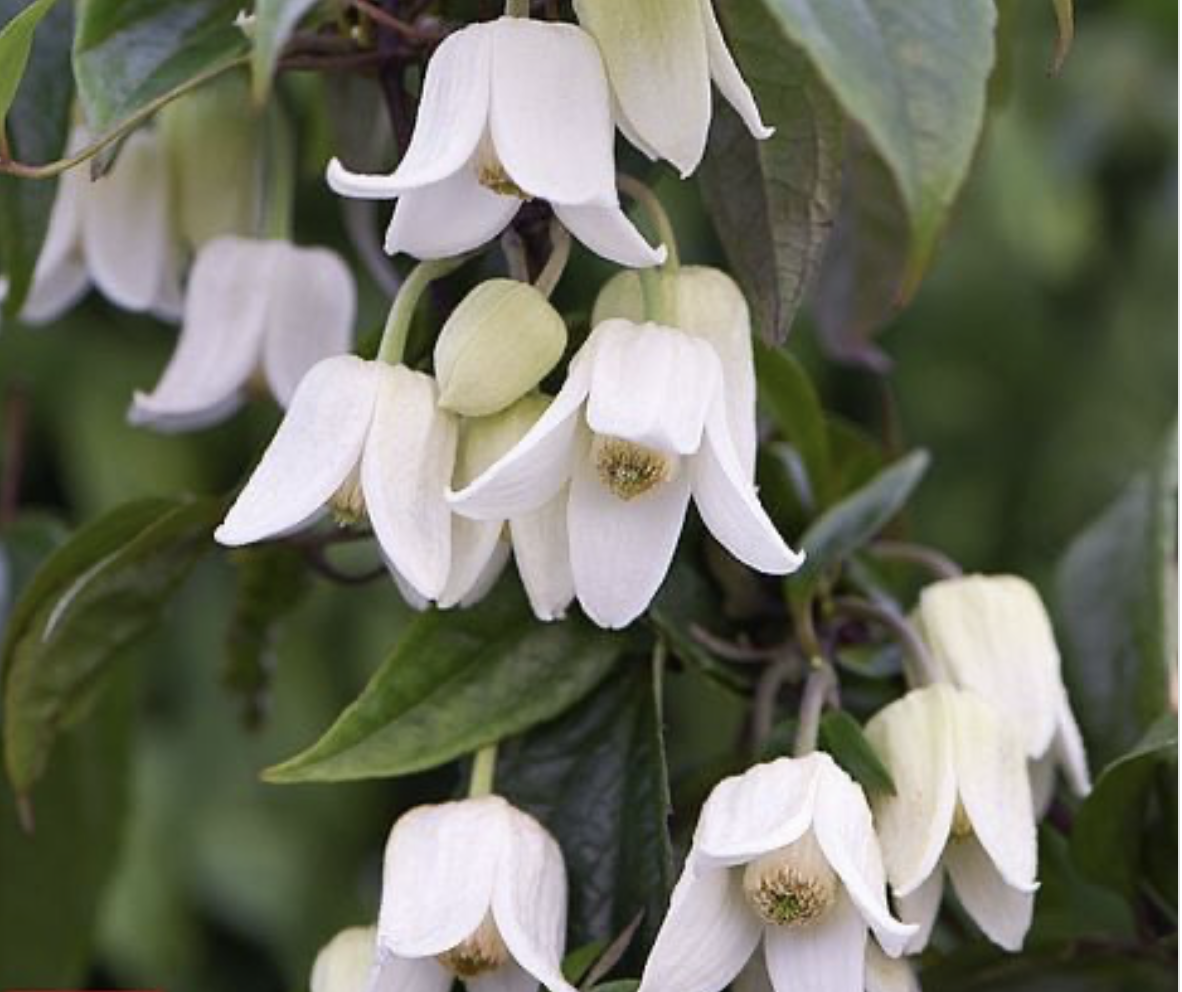
This lovely winter clematis will be perfect in a sunny border to add some extra height. It might appreciate a little shelter for winter protection and is ideal for a conservatory or greenhouse.
'Old man’s beard' as it is also known, loves climbing, so make sure you let it loose on an obelisk, climbing frame, wire or structure. Height: 4m (13'). Spread: 1.2m (4'). Pruning Group: 1.
Digging tools
Let’s face it – spades, forks and trowels are the backbone of British gardens (even if you’re a no-dig convert, you still need a spade!) Here are our top picks, each recommended for a specific reason.
Light, strong, agile, this is the Rolls Royce of border spades. Basically it's Elaine's third arm. You won't use any other spade once you have it. Very highly recommended.
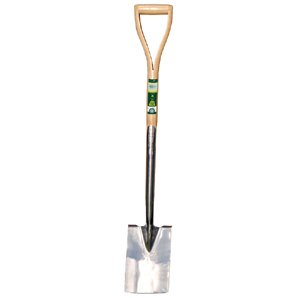
These pointed Burgon and Ball perennial spades are absolutely perfect for splitting perennials, and also our go-to for digging or weeding.
You'll see the BBC Gardener's World team use them regularly for good reason.

This is a high quality tool. With a deeper bowl to hold more earth, and a longer handle, this trowel is a real 'back-saver' when trying to stretch to that awkward spot at the back of the border.
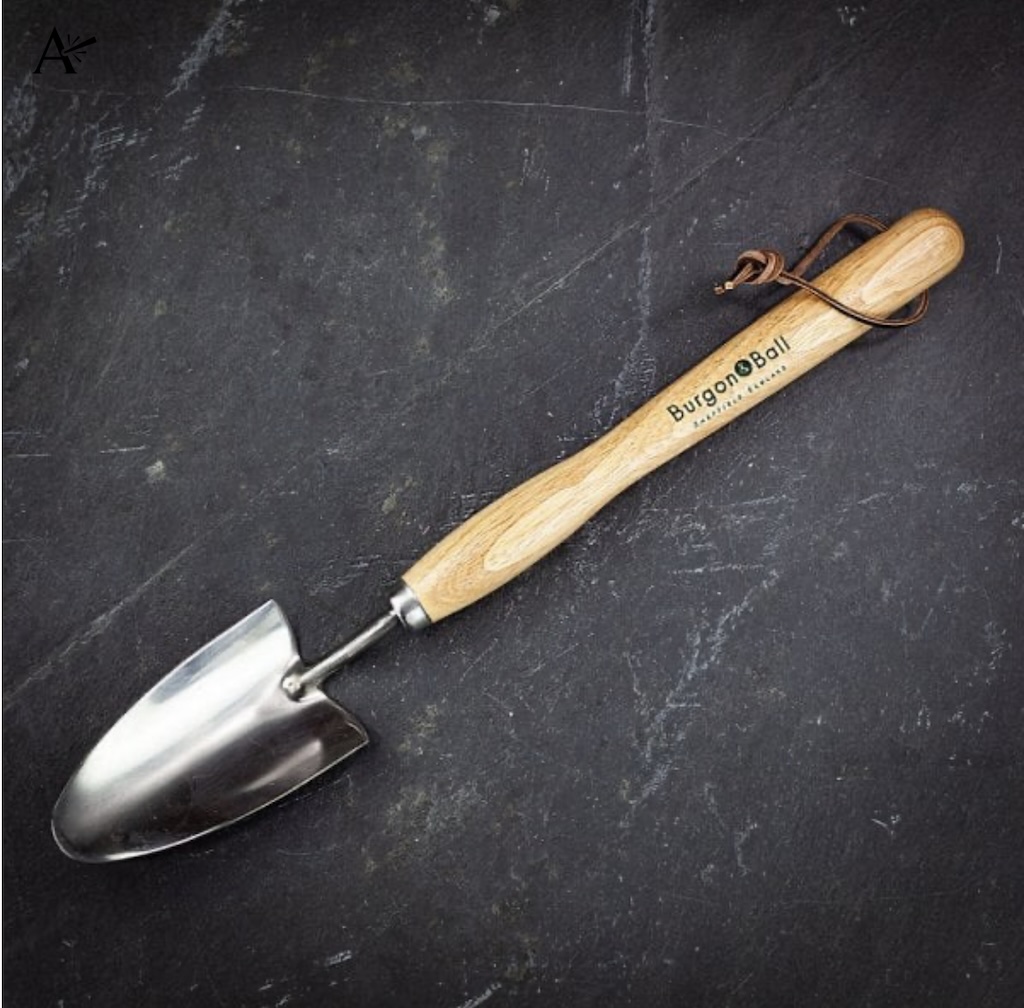
Like the mid handled trowel this is really excellent for reaching awkward spots without killing your back or toppling into your herbaceous border.
The tines of this are powder coated in a rather fabulous green.
Very nice to handle.
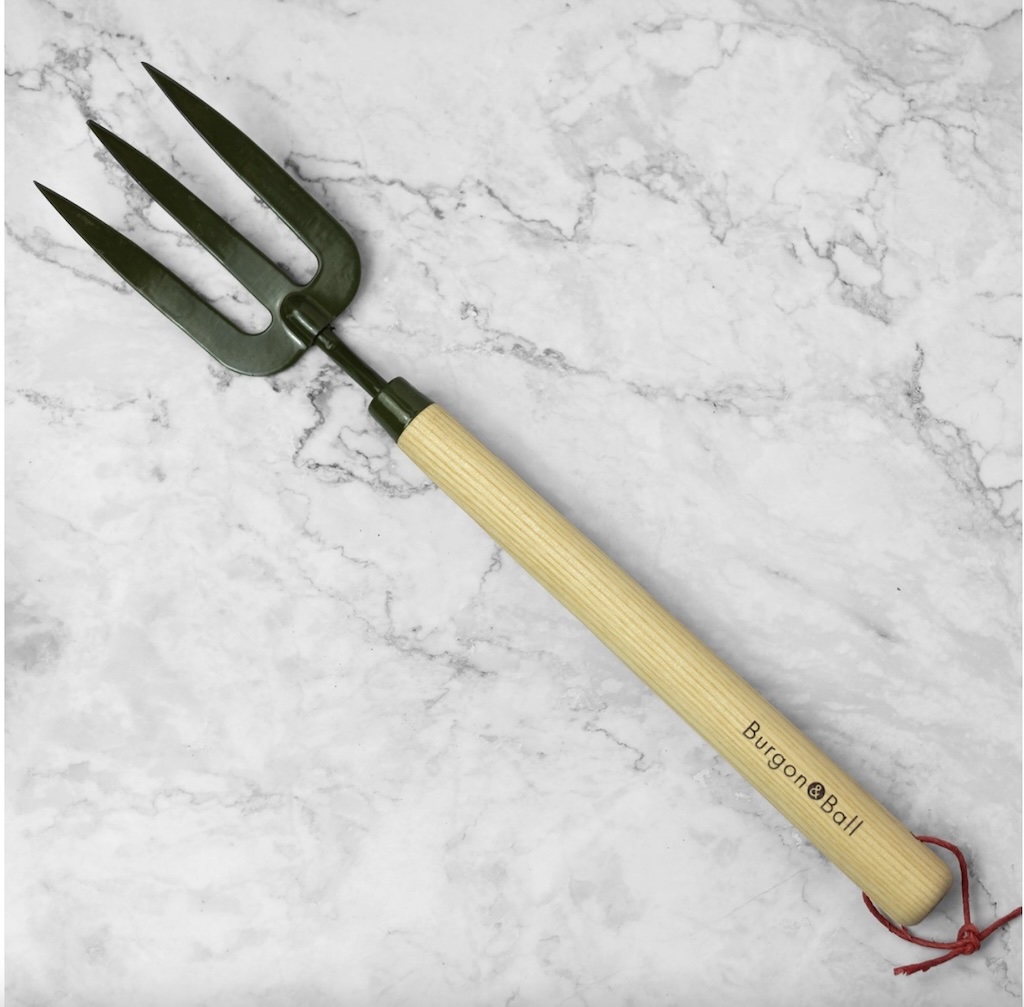
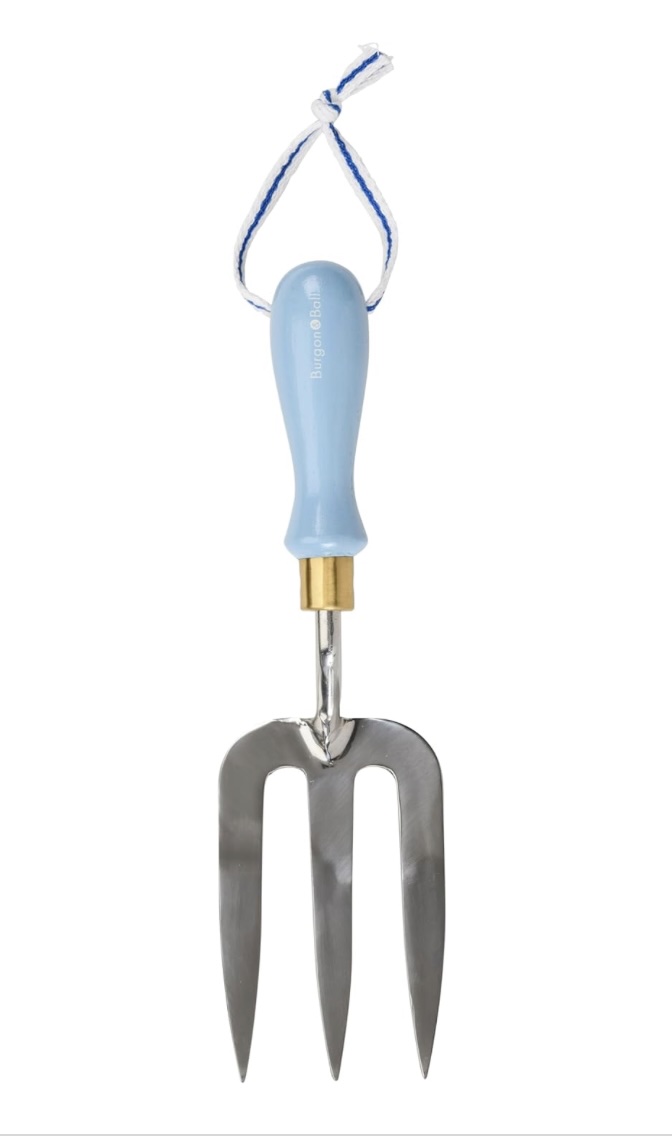
This is a classic hand fork, and beautifully made with a brass ferule between the tines and handle.
It's built to last and we absolutely love the colour of the handle - it feels timeless and soothing. Just right for pottering in your garden.
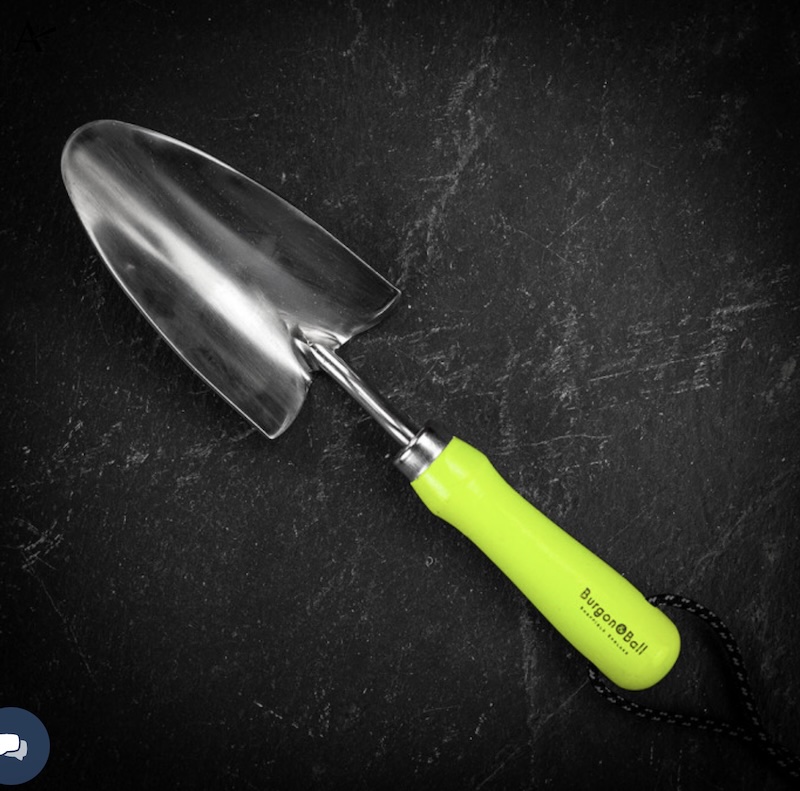
No more losing your trowel in the undergrowth.
This well-made, tough trowel is for those of us who endlessly plod about looking for where we last left our trowel.
Its fluorescent handle stands out a mile.
Hand rakes
Really useful in autumn and spring for tidying up beneath low-growing shrubs and plants. We’ve tried both of these – both very good but the Sophie Conran one is best for a gift – comes beautifully presented
A really superior hand rake with lovely fine tines and little bobbly bits at the end to protect delicate plants.
It's beautifully designed by Sophie Conran with a solid brass ferrule joining the head and natural beech wood handle.
If you're buying a hand rake as a gift, choose this one as it comes beautifully presented. A practical and rather beautiful present.
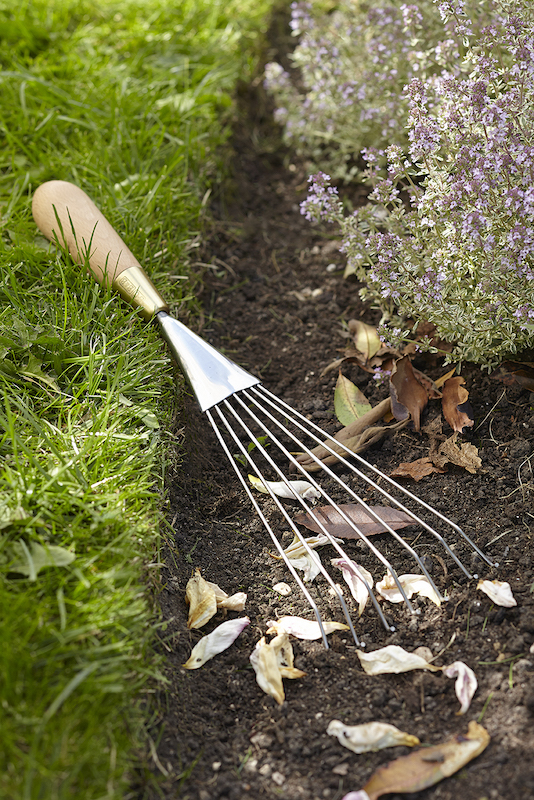
This is the one Caroline uses in her Highland garden.
Very handy for getting under those low-growing bushes and shrubs. Leaves aren't deadly of course, but autumn and winter plants generally look so much better without an underskirt of debris. Very effective tool.

Gardening gloves
It’s essential to protect your hands from cuts, stings, cold and toxic sap. We can recommend these and remember – and of course, they’re easy to post if you need a gift for a gardener.
Just the job for everyday tasks and look lovely as well.
They're great value giving just the right amount of protection and 'feel' for even close work.
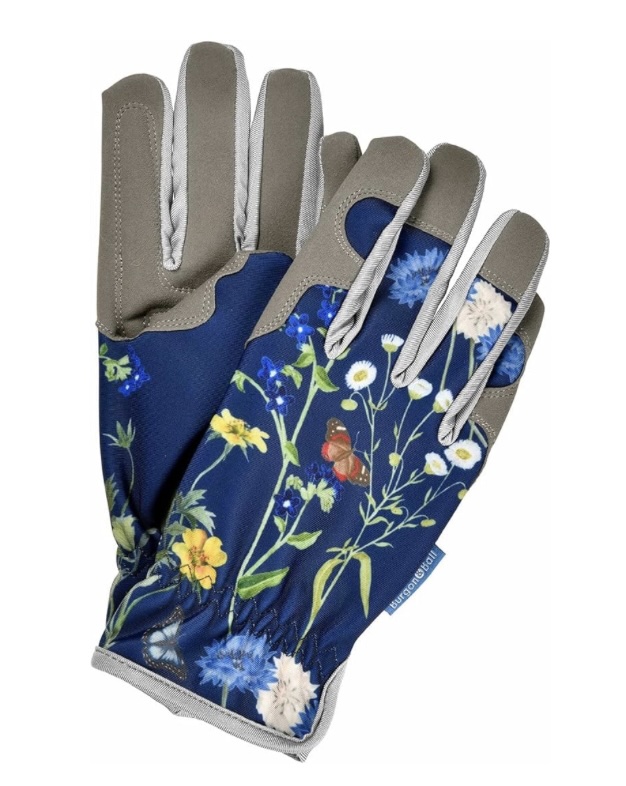
These are Elaine's absolute favourite. Soft, yet hard-wearing gloves with a wrist trap to secure a perfect fit. Perfect gloves for general jobs around the garden

Two of us have these very same gauntlets. They're tip-top for pruning roses, blackberries, holly, berries and other prickly or toxic plants.

We're loving the reviews and the price of these big, tough gloves. Designed for hard landscaping and the workshop

Pruning and lopping
If you’ve actually managed to get out into the
Japanese cutting tools are hard to beat and these secateurs, stocked by the legendary Niwaki, are considered the absolute best secateurs you can buy by Which? magazine.
We love the simplicity of the design - a classic look and brilliant performance.

Voted the best pair of shears by BBC Gardener's World magazine, these are very lightweight (less than 1kg) with long handles for extra reach.

These have a really impressive gearing system in their jaws. They slide through tough branches without needing physical force.
Very good value for money

Very positive 'chop' at the end of this extendable pole. No need for a ladder, this slices through tough branches way above you with just one short pull of a cord. A solid piece of kit.
Very impressive

Best trees to buy for autumn colour
Getting a burst of colour in autumn, doubles the value of any tree or shrub. Here are our top recommendations for autumn colour.
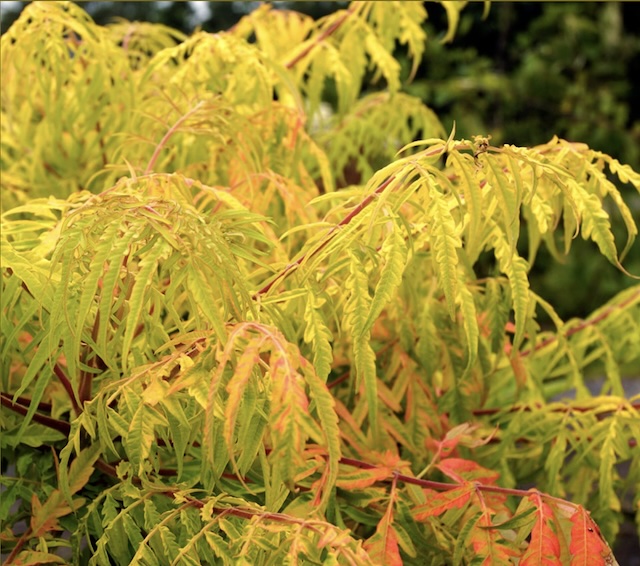
Probably the most spectacular small tree for autumn colour but be aware...Rhus typhina tends to send out suckers. Just keep on top of that and you'll be fine. It's jolly hardy and doesn't grow enormous.
A very popular little tree
The large, deeply veined oval leaves of this tree are dark red/purple tinted when young, maturing to glossy green then turning rich shades of orange and wine red in the autumn.
In late winter, before the foliage emerges, it also bears clusters of unusual, spidery, crimson flowers because it is closely related to hamamelis (witch hazel).
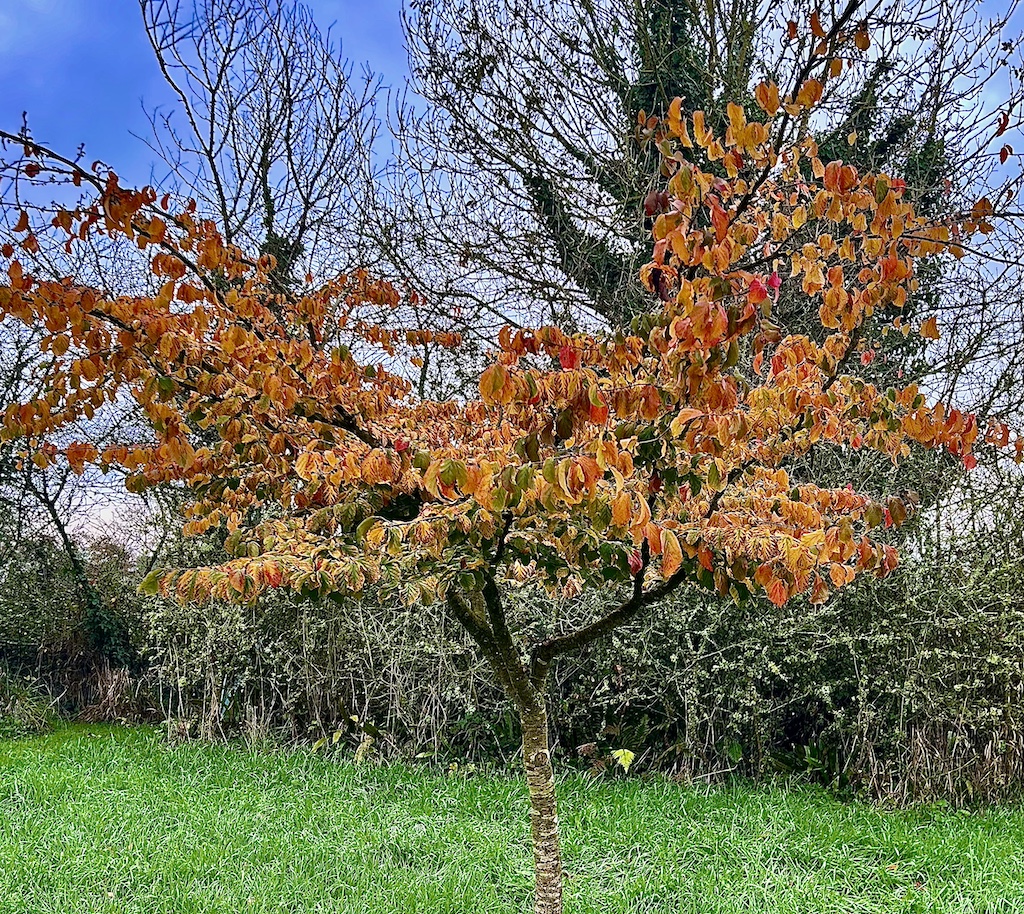
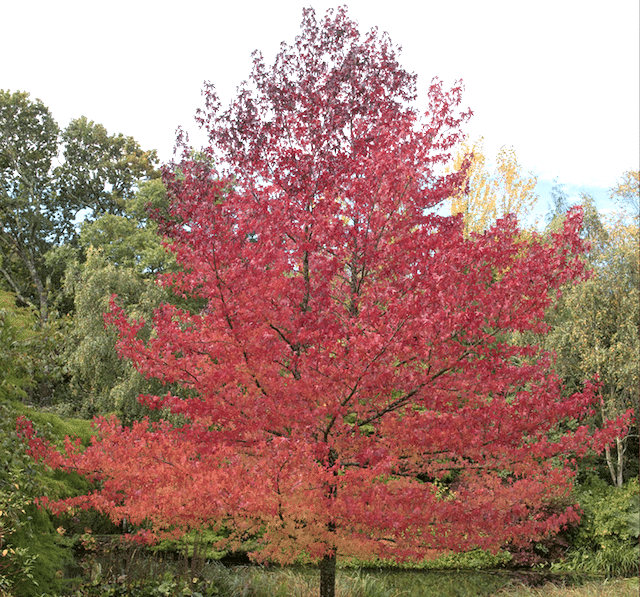
Magnificent for a larger garden this is a fabulous centrepiece tree - beautiful in shape and gorgeous particularly in autumn.
Try not to put it in a very gusty location (its branches can be a bit brittle according to Elaine) but this has the 'presence' to be a real landmark tree in a planned garden.
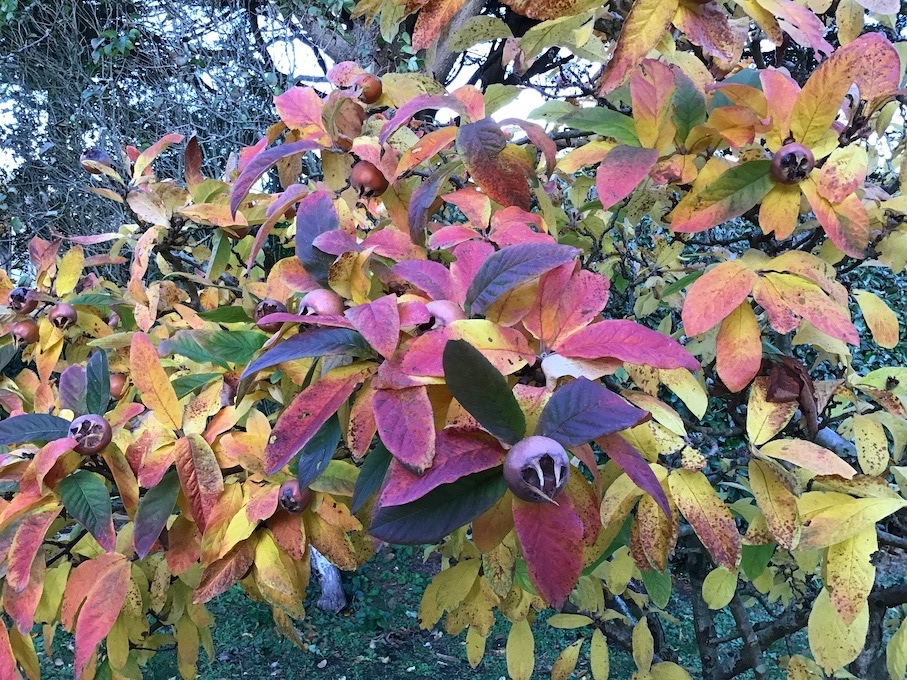
A tree that was popular even in medieval times, a Medlar definitely has olde worlde charm; fascinatingly shaped fruits and autumn colour that has real class.
More interesting, you might think, than trees that simply blaze a single hue of red or yellow.
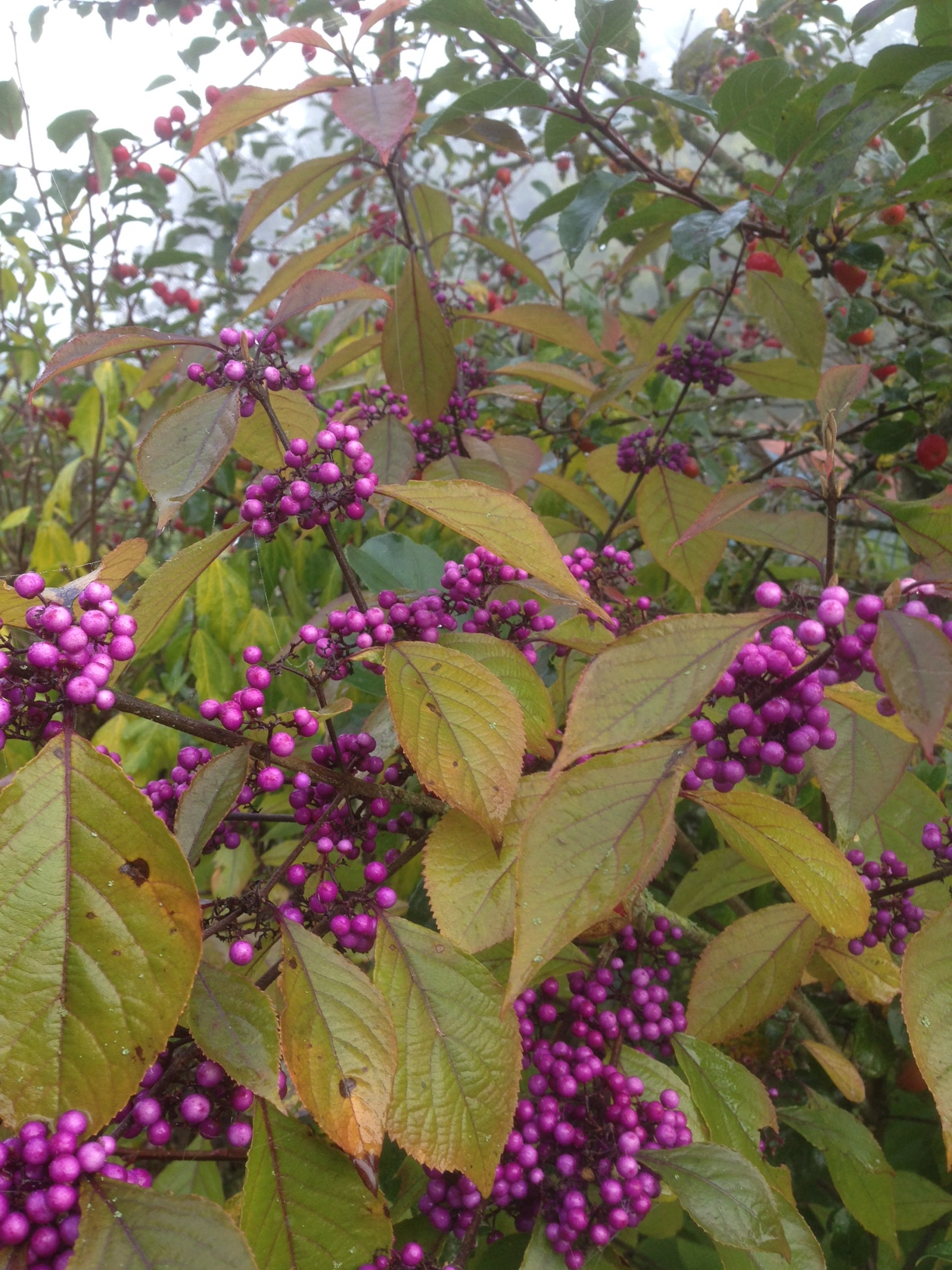
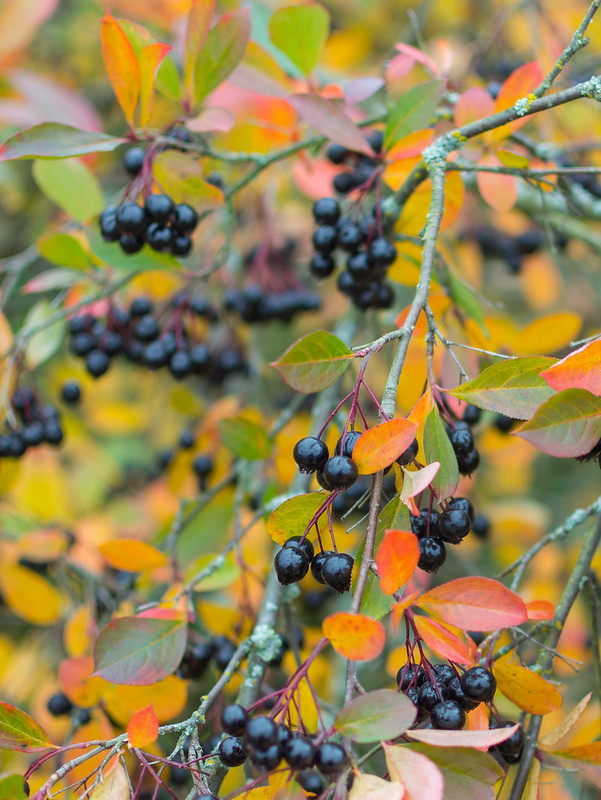
We all have this smashing shrub in our gardens - even Caroline in the Scottish Highlands because it's remarkably hardy and it's happy in most soils/aspects.
Its well-behaved and its purple berries in late autumn really have to be seen to be believed. A real joy!
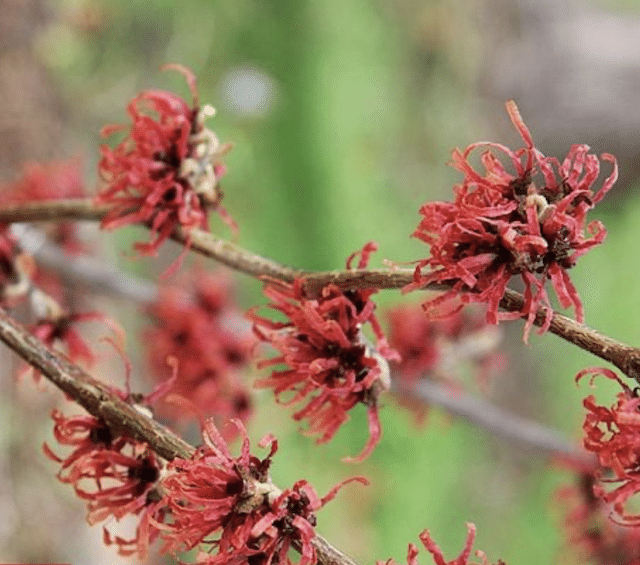
Hamamelis are proper cheer-leaders. They brighten up late winter with their rich russet or yellow blooms straight from their branches and in the autumn, varieties like this one, 'Diane', produce really stunningly vibrant leaves.
They deliver proper value for your investment!
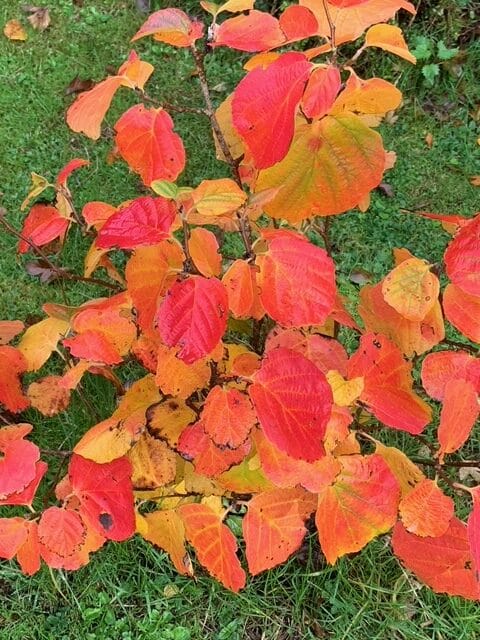
Fragrant white bottlebrush flowers early in the year on this unusual deciduous shrub are a total delight to Laura. The broadly rounded leaves of Fothergilla major are its most striking feature as Autumn turns them to glowing shades of fiery red and orange.
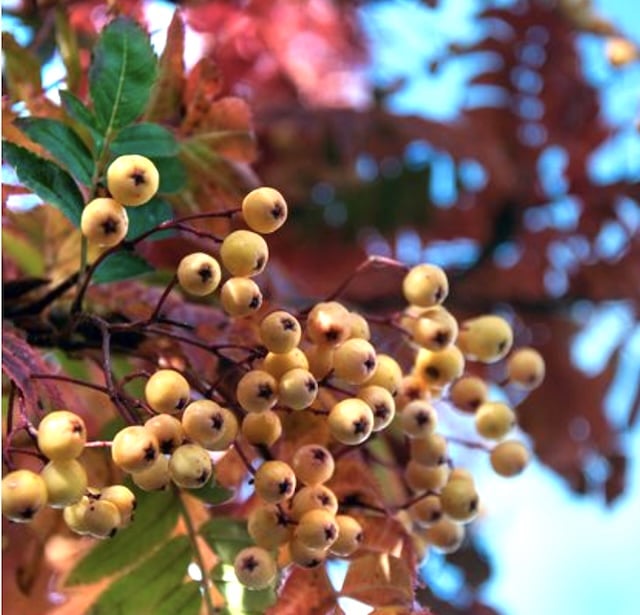
Ideal for small gardens this gorgeous Sorbus (or Rowan) is a hardy, deciduous tree with creamy white flowers in spring and autumn foliage of reds, oranges and purples, plus clusters of pale yellow to amber berries that last into winter.
Furthermore rowans are reputed to keep witches away - every garden should have one!
Known variously as rhododendron or azalea luteum, this deciduous shrub has addictively perfumed yellow blooms in spring and finishes off with fiery coloured foliage at the end of the year. It loves a sunny position and an acid soil. It likes to be dampish and really would be very happy in a slightly woodlandy setting.
It makes it sound fussy but it's really not!
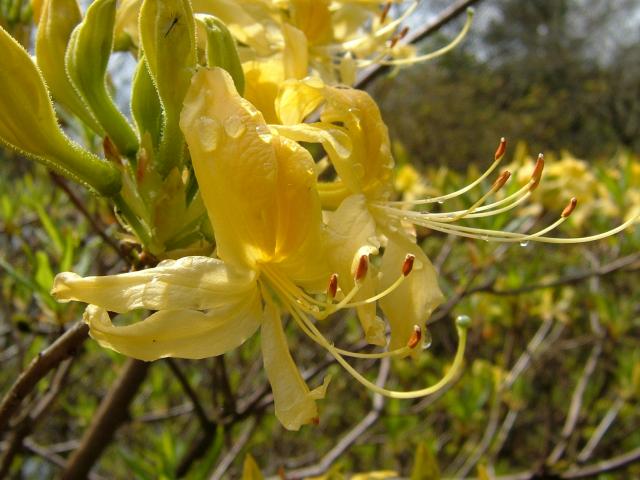
For some reason Thompson & Morgan don't really tell you much about the stunning autumn colour of these shrubs, or that they like an acid soil, but both are true.
We can vouch for the following:
Flowers - lovely
Berries - lovely
Autumn colour - lovely
and it's as hardy as anything.
10 best plants to grow for spring
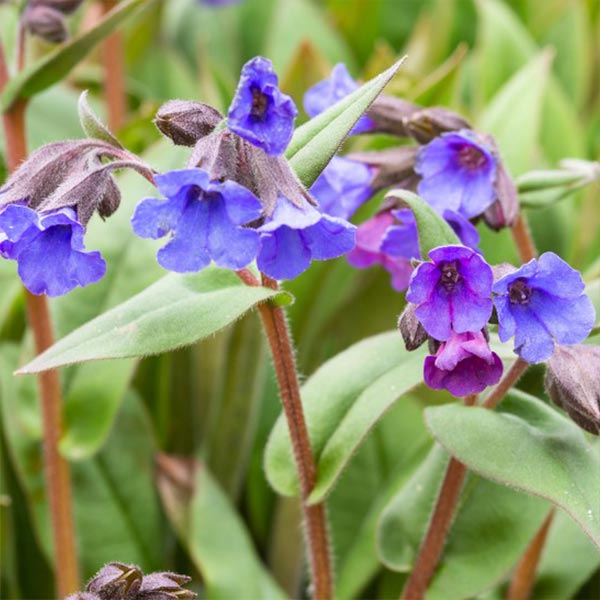
Pulmonarias, or lungworts, are the cheerful harbingers of spring. In a genus that can look a little bit, well, scruffy, Blue Ensign stands out by virtue of its smart, neatly pointed foliage, and the almost electric blue of its flowers.
- Impervious to the cold and wet spring weather
- Bright jewel like flowers to lift your spirits
- Easy to propagate by division
- Can cross-pollinate with other pulmonarias you have to produce less vibrant hybrids
- Leaves can droop in drought summers, but just shear them off
- Can spread and pop up elsewhere, but not invasively
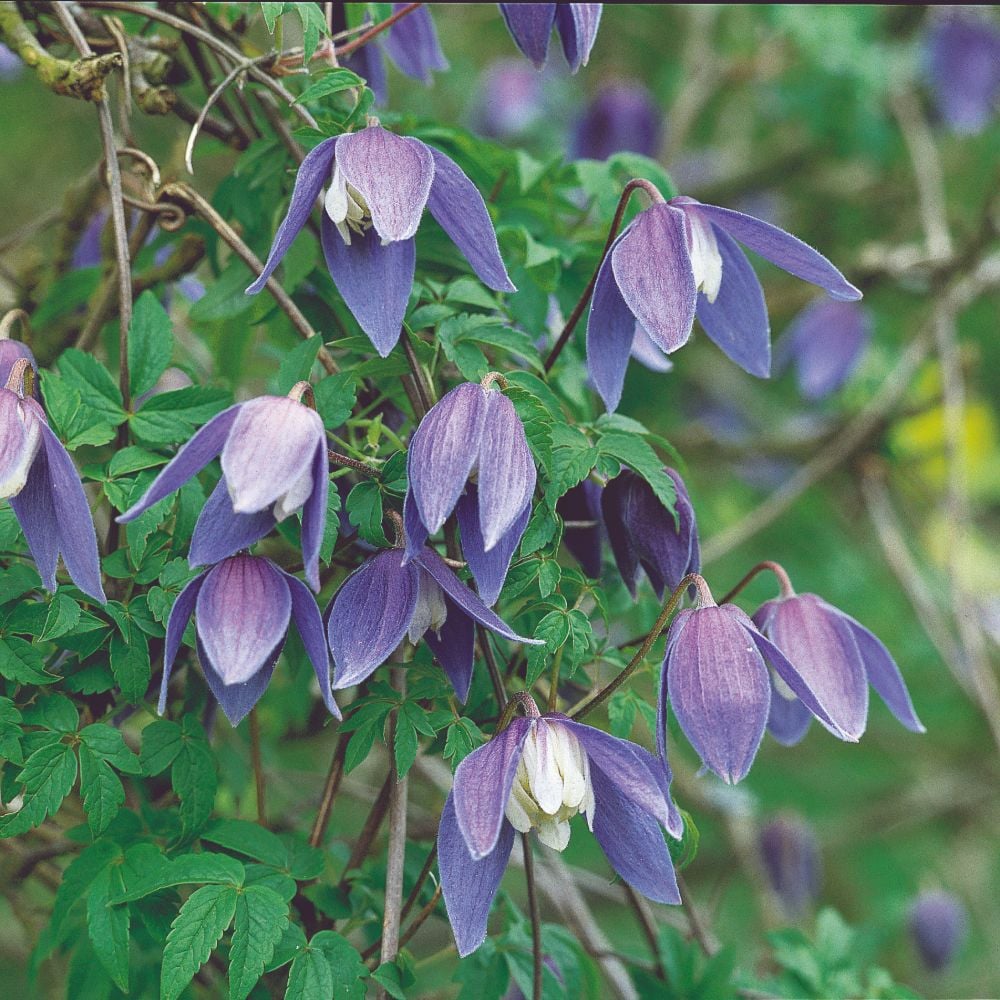
Of all the early flowering clematis, 'Francis Rivis' is the most elegant. With elongated pale violet sepals and white inner stamens, it carries an air of sophistication unmatched by others in this species.
- Reliable flowerer in mid spring, no matter what the weather has thrown at us
- Requires little or no pruning
- Flowers are followed by attractive seed heads
- May not suit a very windy site
- Has a slight dormant season in late summer when leaves droop
- Slightly pricey, but a good investment as should live for many years
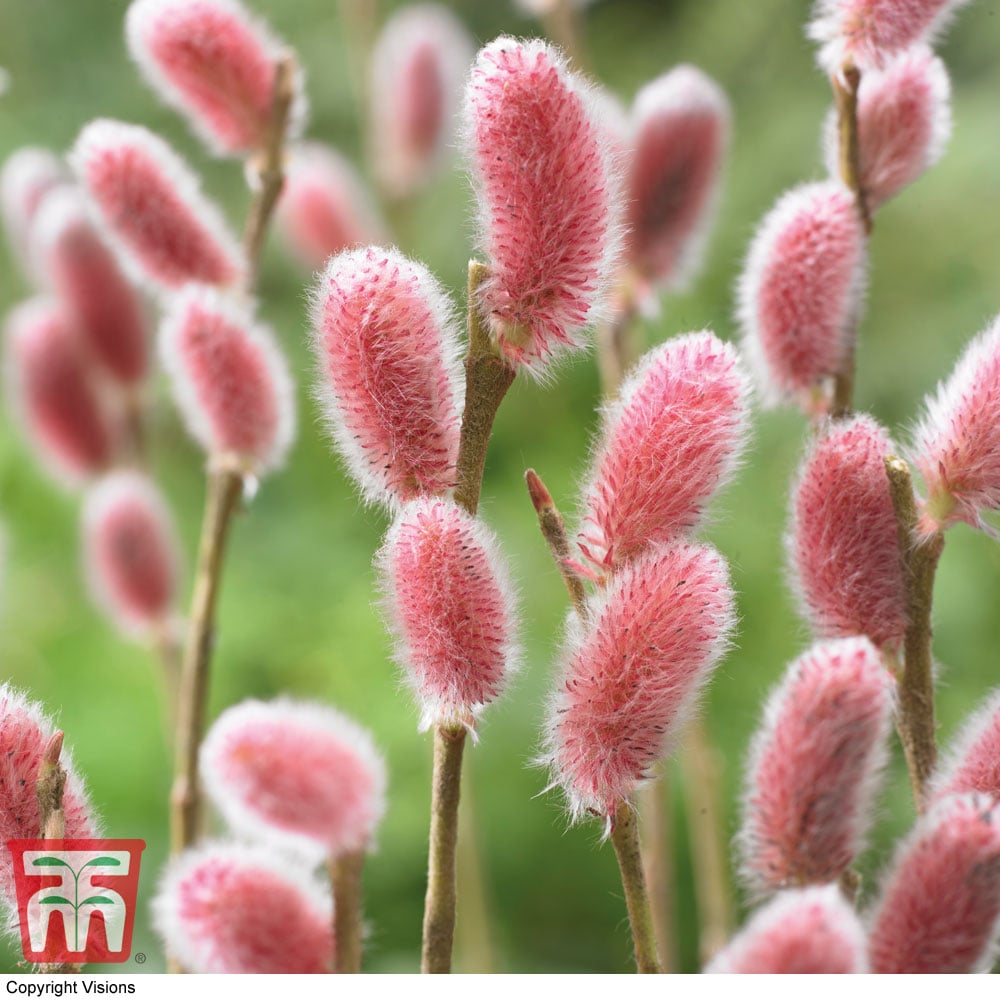
A real Growbag favourite, this unique willow is guaranteed to lift your spirits in early spring. Instead of the usual white pussy willow, 'Mount Also' throws out beautiful pink puffs which look gorgeous in the garden especially amongst coloured dogwood stems, and are also great for cutting and bringing indoors.
- Very tolerant of different soil conditions and can cope with winter wet
- Completely hardy, even in exposed sites
- Easy to propagate so you can quickly have a clump of them
- Foliage is unremarkable in summer so plant something herbaceous beside it to take over
- Fast growing so may need pruning back
- All willows can suck water out of drains so best to plant away from your house
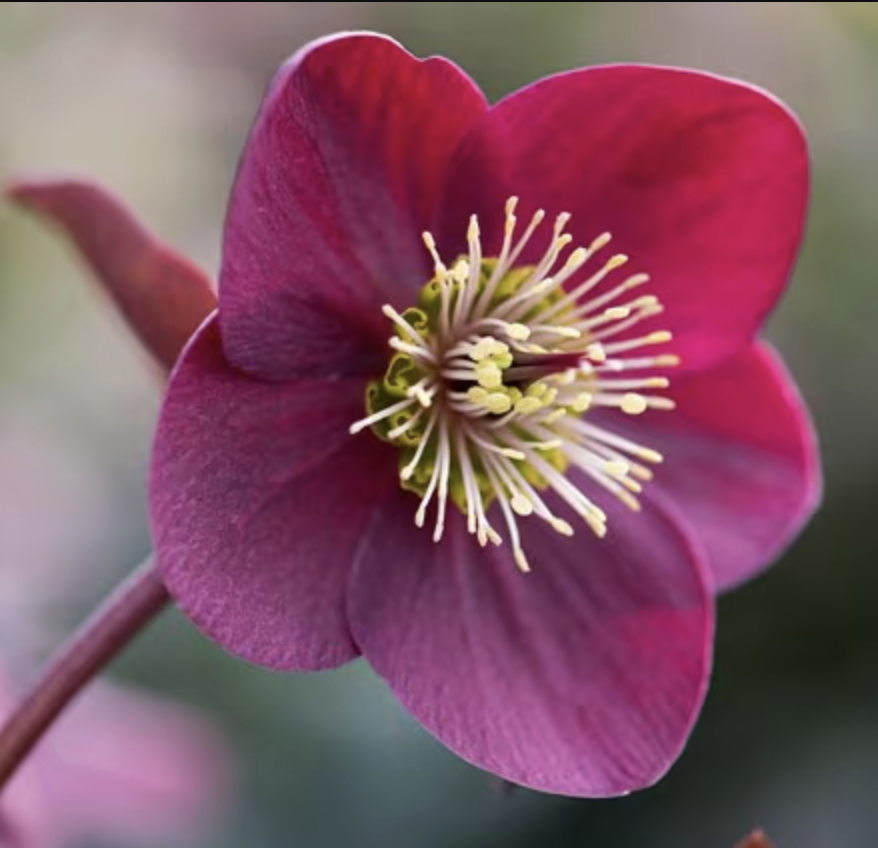
One of the very best hellebores you can buy. More robust than the usual Lenten rose, and with slightly out turned flowers 'Anna's Red' makes a real statement in a spring border.
- Striking flower colour in solid deep red/purple
- Beautiful marbled leaves
- Long flowering period
- May take a year or two to hit its stride
- Leaves may need a little tidy up after some hard frosts
- Quite pricey, but will live for years
There are many deserving chaenomeles cultivars (common name japonica) but this one is exceptional. Flowering for almost six months of the year in pretty pale hues 'Pink Lady' starts blossoming soon after Christmas and carries on until about June.
- Length of flowering period
- Perfect for cutting at a time when blooms are scarce
- In a hot summer will produce fruits for culinary use
- A hard frost will damage blooms, but will soon reclothe from buds
- Quite vigorous, but responds well to pruning
- Has spines, so best to wear gloves when pruning
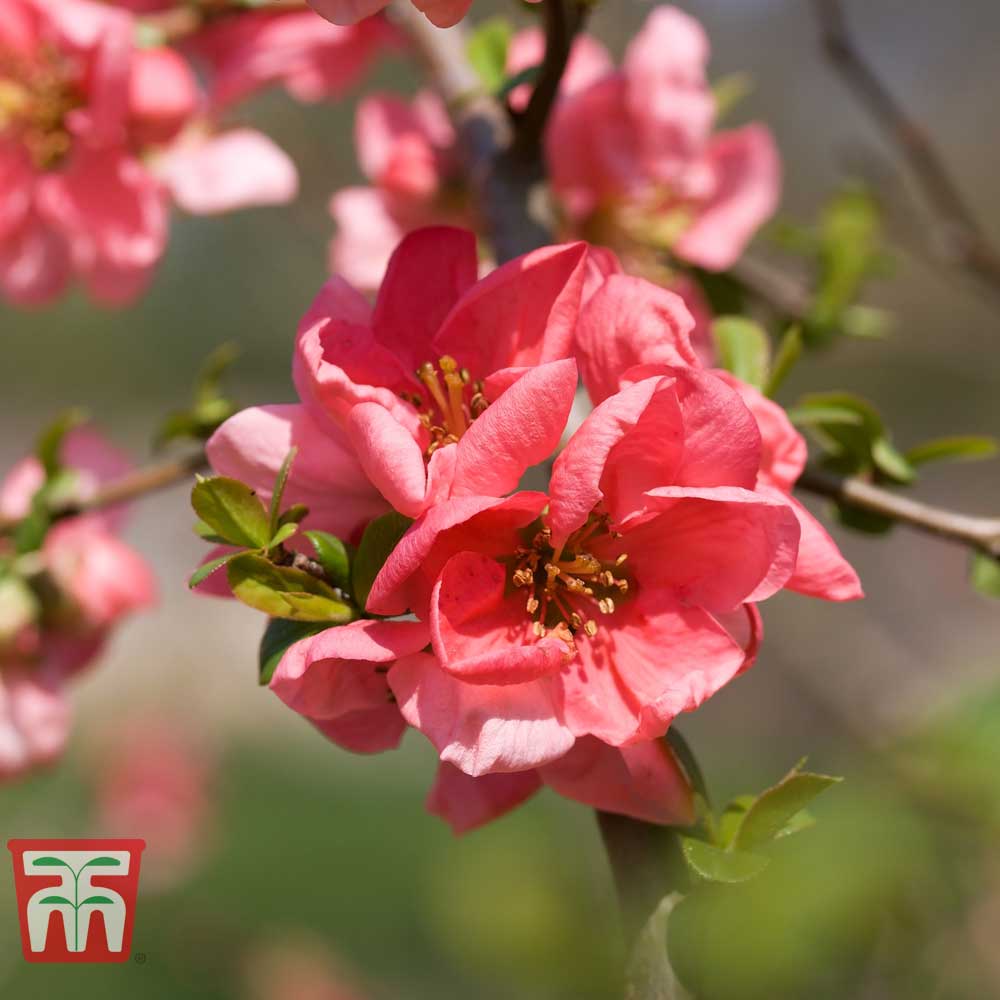
A terrific favourite with us 3 Growbags - we each have one!
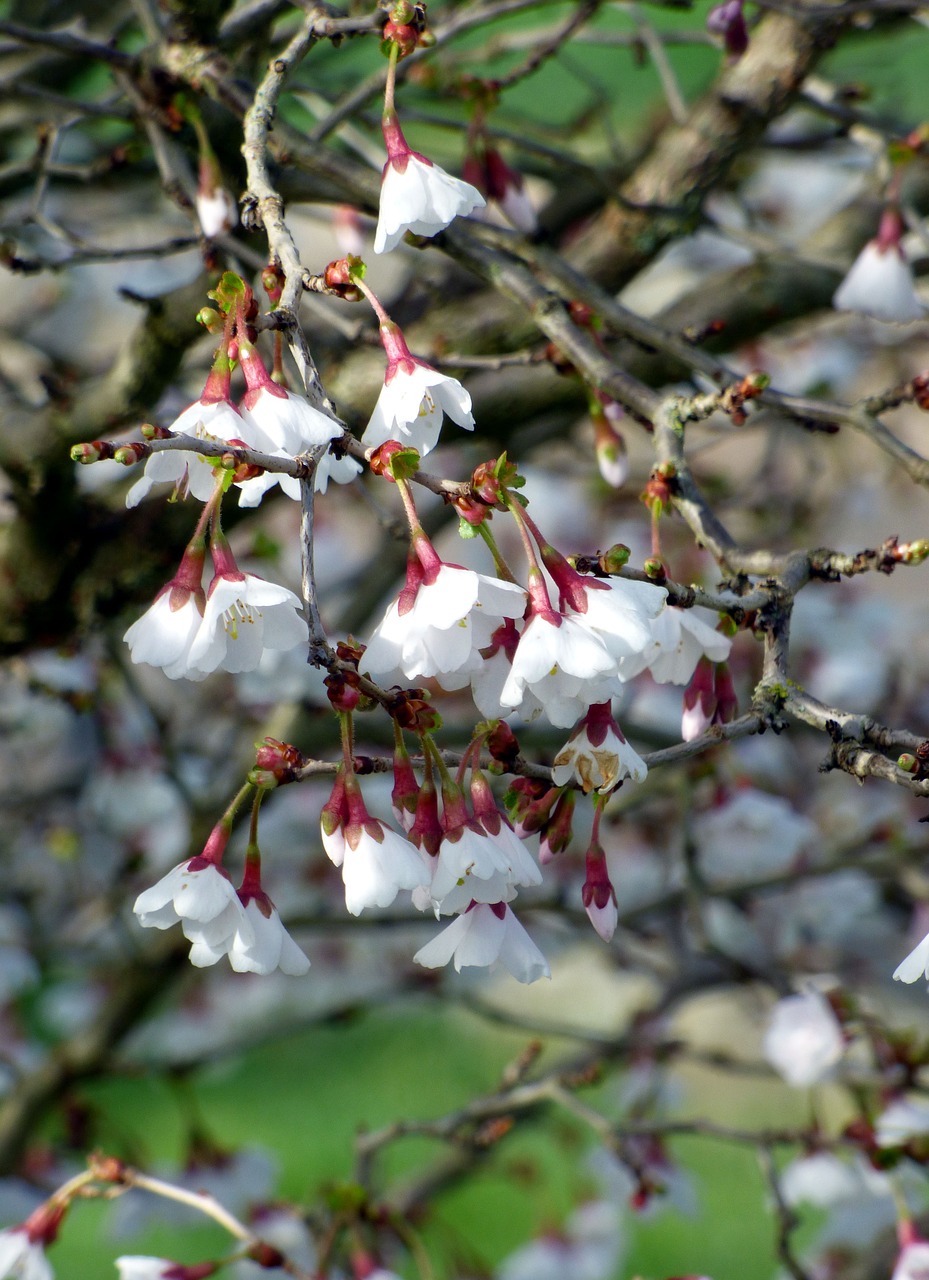
Such a pretty little flowering cherry, whose delicate nodding flowers belie its tough constitution. Smaller than an average cherry it will live as happily in a large pot as in your garden.
- Small and slow-growing, eventually reaching only about 8 foot
- Fiery red autumn colour gives it a second season of action
- Relatively inexpensive compared with other flowering cherries
- Better in its own space away from other shrubs
- Can be slow to establish when planted in the ground
- Needs regular watering when pot grown, not tolerant of drought conditions
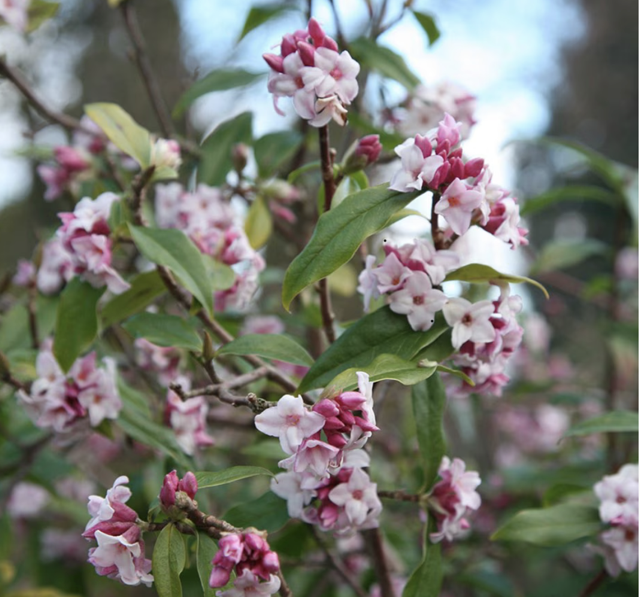
All daphnes are garden-worthy, but if it's scent that you are after then 'Jacqueline Postill' must surely lift the crown. A friend who lives in a sheltered crescent of houses says her neighbours can tell when hers breaks bud by the delicious perfume that assails them as they open their back doors! Pink flushed flowers open in profusion from deep pink buds, as early as January.
- Very highly scented
- Prolific flowerer
- Attractive to early bumble bees
- Needs a sheltered site to perform well
- Can be affected by a very severe winter, but will usually sprout back from the rootstock
- Can be expensive for a good-sized specimen, but worth the money
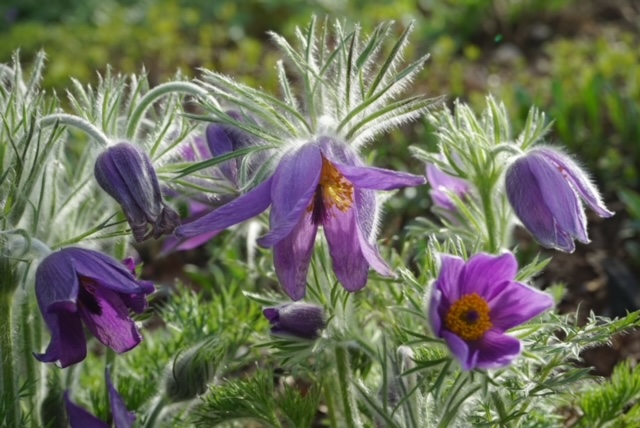
Pulsatilla vulgaris, the pasque flower, is surely one of the brightest jewels in the spring garden. Always associated with Easter, the nodding violet flowers dance in the breeze about pretty grey felted leaves.
- Bone hardy, it will thrive even in exposed, windy sites.
- Its fluffy seedbeds are almost as attractive in summer as its flowers are in spring
- Very long-lived
- Can be capricious in getting established.
- Needs a sunny site to flower well
- Doesn't like sitting in wet soil, so if your garden is on the moist side its best grown in pots (where they are very happy if mine are anything to go by!)
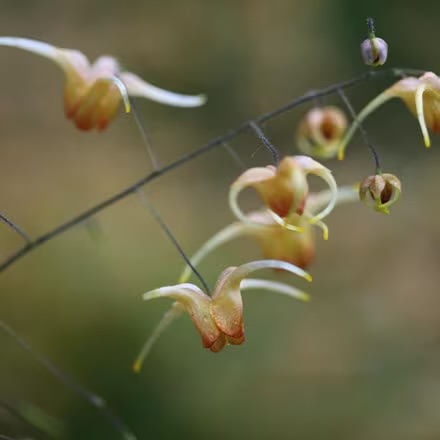
Epimediums are a great solution for a spring border in dry shade, and 'Amber Queen' is one of the very best. Its emerging spring leaves are a delicate burgundy, before the soft yellow flowers tipped with apricot follow on tall wiry stems. Although often grown in shade this epicedium can also cope with a sunnier site.
- A sophisticated and dependable spring performer
- Leaves are as attractive as flowers
- Very long-lived
- Needs a slightly acid soil to be completely happy
- Can look a little tatty in deepest winter
- Slow growing and never invasive
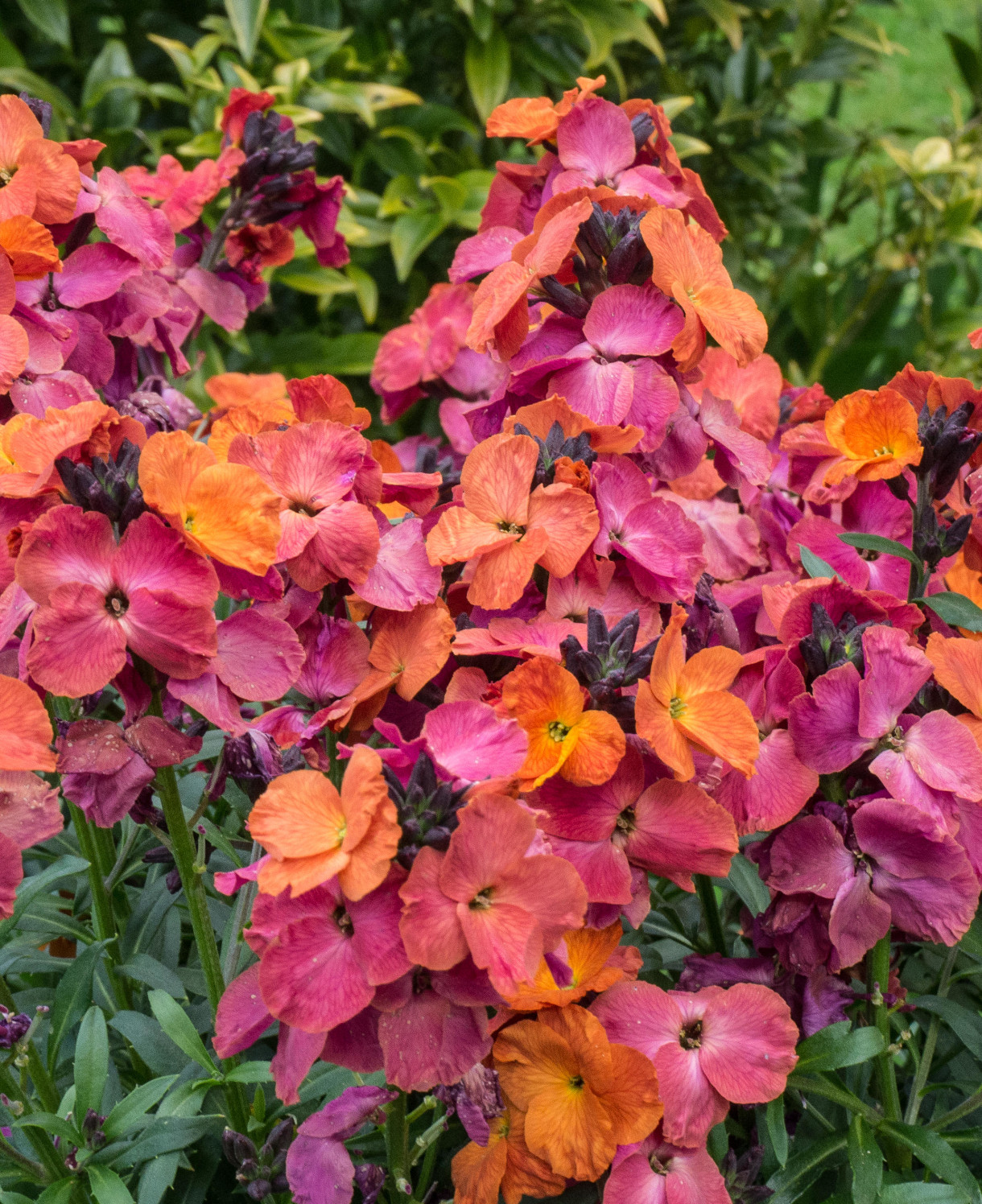
Every spring garden should have wallflowers, but the usual biennial ones can be a bit of a faff ( bare-root planting, lifting after flowering ..), which is why this perennial one is such a dream. Flowering from late winter (the clues in the name!) this rather special cultivar has the familiar wallflower scent but just keeps on flowering month after month, and year after year! The flowers change hues as they age from burnt orange through to deep purple, giving a colourful mottled effect. Happy in the ground or a pot, this one is definitely a keeper.
- Perennial, so no lifting required
- Gorgeous palette of colours in a single plant
- Familiar wallflower scent
- Won't appreciate an exposed site
- May get leggy over time, so prune after flowering
- May need replacing by cuttings (easy to take, but only for your own use as plant breeders rights in place) after a few years
10 garden plants that last for ages
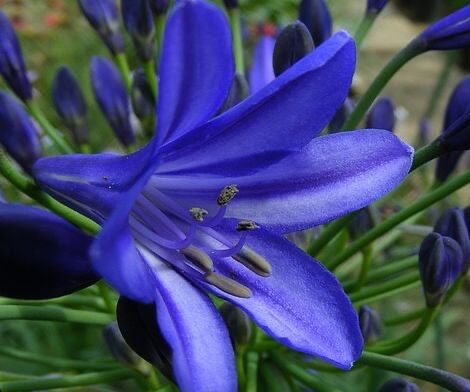
Agapanthus are South African perennials whose drumstick flowers will bloom for weeks in summer borders and large pots. We love them for their drama, range of colours and sculptural form.
- Rich colour palette
- Dramatic form
- Long-flowering
- Loves packing a pot with roots but doesn't enjoy competition in a mixed border
- Some species are tender and need protection in winter
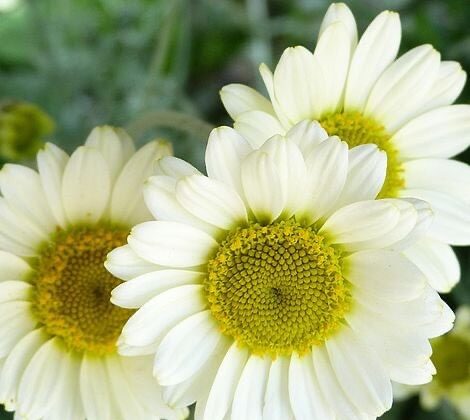
This pretty perennial daisy bears flowers all summer from mounds of soft feathery aromatic foliage. We love its soft yellow colour which fades to cream. Just perfect for a dry, sunny spot!
- Prolific long-lasting flowers
- Great for pollinators
- Tolerates drought
- Can be cut hard back after the first flowering to bloom again into autumn
- Hates wet or rich soil
- Poor flowering when in shade
- Can be short-lived, needing dividing every 2-3 years to maintain vigour
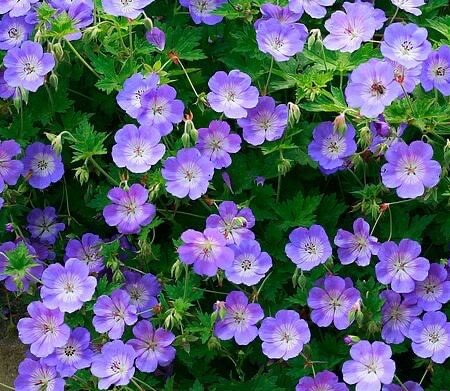
What a plant this is! This perennial geranium has won awards all over the place including Plant of the Century, no less! Its lavender-blue flowers flower all summer long, and we adore the way it even has reddish-tinted foliage in the autumn. A total winner in our book.
- Will flower in sun or shade
- Deep green foliage with red tints in autumn
- Great for bees and butterflies
- Can spread to 1m high and crowd out other plants
- Sprawling, scambling habit that can look untidy
- Doesn't like wet, heavy soil
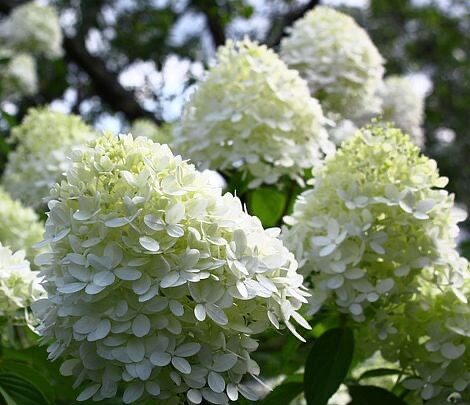
This lovely shrub has such a long season of beauty! The conical flowers emerge lime-green, gradually change to a creamy-white before flushing pink in the early autumn. We reckon it provides interest, structure and colour and is perfect for a sunny or partially shaded spot.
- Very hardy, to H5
- Will grow in acid, alkaline or neutral soils
- Exceptionally long season of interest
- Dislikes dry or very wet soil
- Needs hard pruning in early spring for the best flowers
- Can get mildew in humid conditions
This neat evergreen shrub has the most wonderful presence in a dry. sunny spot. We adore its aromatic foliage and nectar-rich dense flower-spikes which are often alive with bees and butterflies.
- Rich colour and scent
- Perfect beside sunny paths and in pots
- Perennial, evergreen and with a long season of interest
- Will become straggly and unproductive if not cut back at the end of summer or early spring
- Hates wet or heavy soils
- Prefers alkaline to acid soil
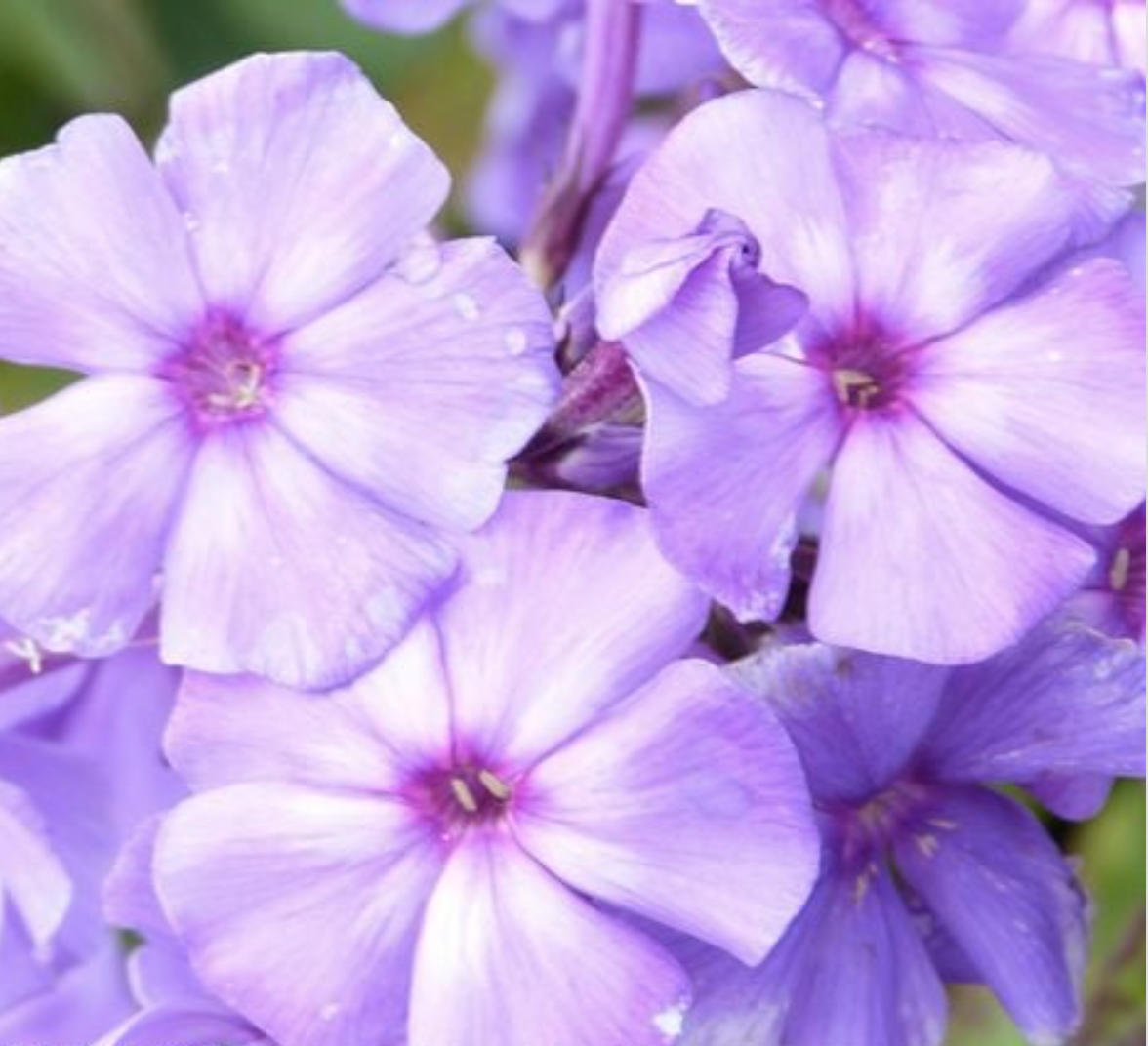
Here's a tall perennial (1.2m high) which carries domed flowers, often scented, in a charming range of pastel colours from white through pinks to mauves and blues. You can extend its long-flowered period even more by cutting some of the stems by half in May so that they flower later (the famous 'Chelsea Chop'!).
- Sturdy stems mean that they rarely need support unless the flowerhead are very heavy
- Easy to divide clumps to make drifts that look great with grasses
- Perfect perennials for a cottagey look
- Might get mildew in dry conditions
- Needs deadheading after flowering or it looks messy
- Can be prone to bug problems such as eelworm
We would hate to be without this little beauty! It's a low-growing perennial daisy that is in flower for simply weeks during the summer, softening path and border edges with its frothy pink and white blossoms. It's lovely in pots on a sunny terrace too, on banks, in rock or courtyard gardens....a real winner.
- Drought tolerant and very hardy (H5)
- Easy to grow in sun or part-shade
- Almost disease-free
- Straggly growth must be cut back hard in winter or early spring
- When it's happy, it self-seeds readily - a bonus for some gardeners but not all
- The roots need good drainage
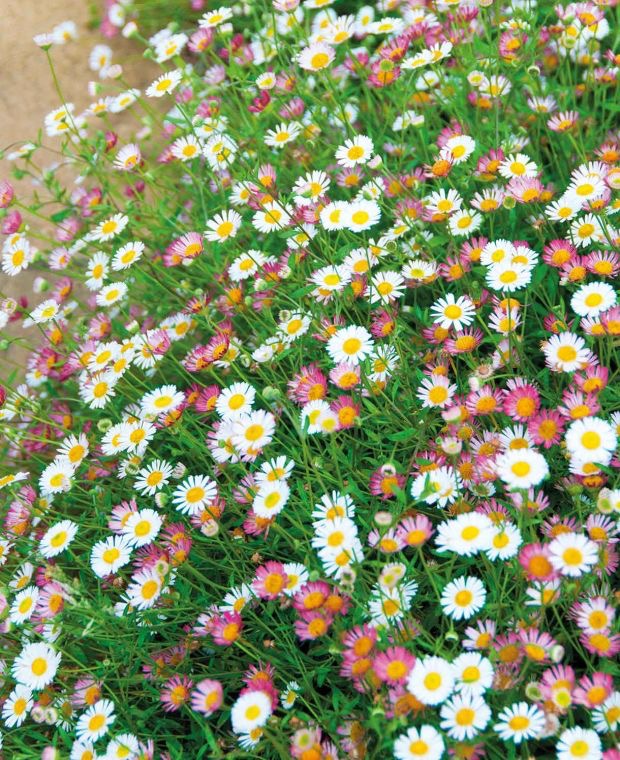
Wr rate this tall hardy perennial very highly because of its airy, see-through quality - its thin stems carry clusters of little lilac-purple flowers that seem to dance about through other border plants. The blooms are an excellent nectar-source making it a great choice for wildlife-friendly gardens, while the stiff, almost leafless stems have an architectural quality that would also suit city or courtyard spaces
- Very long-flowering right into autumn and low maintenance
- An absolute magnet for pollinators
- Awarded an RHS medal for its reliability and performance
- Needs sun and well-drained soil to perform well
- Will self-seed readily which might be a nuisance so need to deadhead
- Can be short-lived
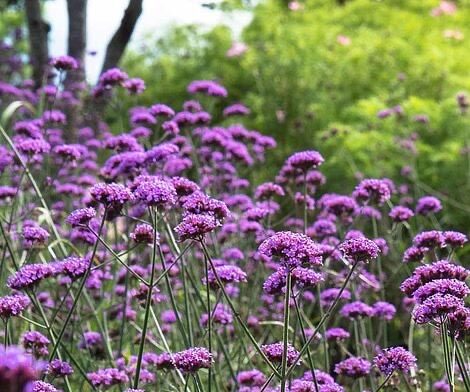
A beloved old cottage garden favourite that still triumphantly cuts the mustard as far as we're concerned. It's a hardy perennial with small grey-green aromatic leaves topped by simply masses of violet-blue flowers the whole summer long. Abuzz with insects of all kinds, the billowing blooms form a cloud of fragrant colour.
- Wonderful for pollinating insects
- Easy to grow in sun and well-drained soil
- Low maintenance and relatively disease-free
- Its strong roots can crowd out weaker plants
- Can look untidy in late summer and benefits from a hard cut after its first flowering
- Attractive to cats who might flatten it (put some holly twigs among the stems)
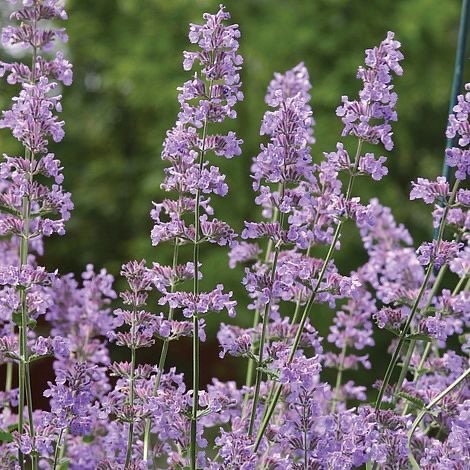
This plant draws in the pollinating insects like no other hardy perennial in the garden - no wonder it's commonly called 'the butterfly plant'!. We love it for the way the fleshy flowers change from pale pink in late spring through raspberry to deep copper in late autumn. The seedheads look wonderfully dramatic through the winter too.
- Easy to grow in full sun
- Outstanding for bees and butterflies
- Simple to propagate by division
- Prefers neutral or alkaline soil
- The succulent stems can flop if grown in rich soil - cut central stems by half in May to cause later flowering on shorter stems
- Can be attractive to slugs, snails and vine weevils

